As the harsh winter chill begins to fade, a hidden transformation takes place in attics, caves, and barns across Indiana. Bats, which have spent the cold months in a deep state of energy conservation, begin the complex process of waking up. This seasonal shift is a biological marvel. It is also a time when homeowners might suddenly realize they have unexpected guests living in their roof.
Understanding how bats survive the winter is crucial for coexisting with these highly beneficial creatures. While bats are exceptional at controlling local insect populations, having them roost inside your home can lead to property damage and health concerns. The transition from deep winter slumber to active spring foraging brings these animals back into our daily lives.
This guide explores the fascinating science behind how bats wake up from their winter rest. You will learn the specific triggers that prompt their emergence, the physical changes they undergo, and what you should do if you discover a colony living in your Indianapolis home.
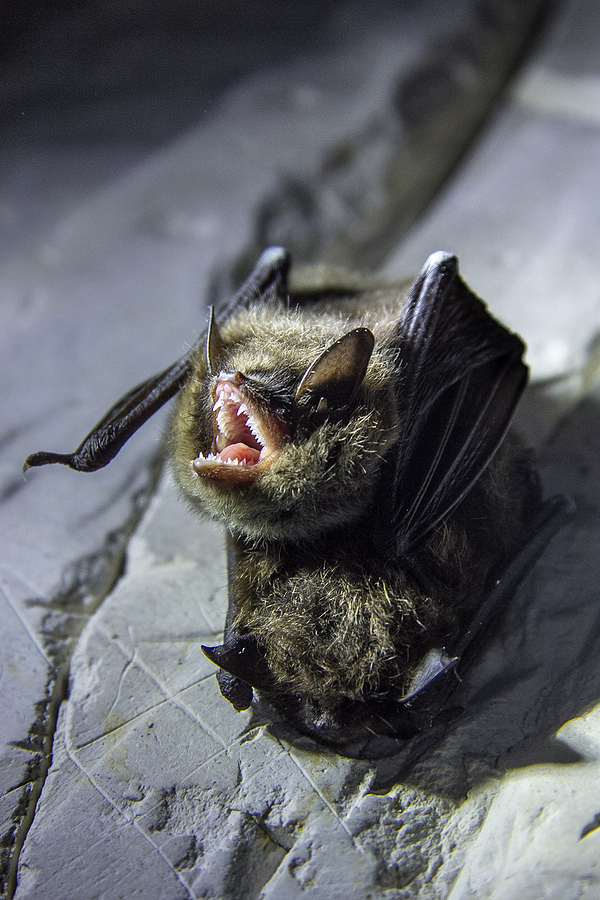
What is Torpor? A Deep Dive into Bat Hibernation
Torpor is a state of decreased physiological activity in an animal. It involves a reduced body temperature and a drastically lowered metabolic rate. While hibernation is a long-term state that lasts through the winter, torpor can happen daily or extend over weeks.
During deep winter torpor, a bat’s heart rate can drop from a normal 400 beats per minute to just 10 beats per minute. Breathing slows down significantly, with big brown bats sometimes taking only one breath every two hours. This dramatic slowdown allows them to survive on stored fat reserves when insects are entirely unavailable.
How Bats Prepare for Torpor
Long before the first frost hits, bats spend their late summer and early autumn nights feeding heavily. They must build up specialized fat reserves to survive the winter. This includes a specific type of tissue called brown adipose tissue (often referred to as brown fat). This unique fat is dense in mitochondria and is specifically designed to generate heat rapidly. By the time October rolls around in Indiana, most bats have gained enough weight to sustain them through the barren winter months.
The Signs of Spring: When Bats Begin to Stir
Environmental Triggers for Awakening
Bats do not use a calendar to know when to wake up. Instead, they rely on environmental cues. Rising ambient temperatures and shifts in barometric pressure signal that spring is arriving. When the weather warms up, the insect population begins to hatch and become active. Bats have evolved to align their emergence with this sudden availability of food.
Behavioral Changes Before Emergence
Before leaving their winter roost, bats go through brief periods of wakefulness. You might hear faint scratching or squeaking noises in your attic on unusually warm winter days. These brief arousals help them clear metabolic waste, drink condensation off the walls of their roost, and adjust their physical state before fully committing to the spring emergence.
The Emergence: What Happens When Bats Leave Torpor?
The Gradual Process of Arousal
Waking up from deep torpor is an incredibly energy-intensive process. A bat cannot simply open its eyes and fly away. Instead, it relies on its reserves of brown fat. The breakdown of this fat triggers non-shivering thermogenesis, a rapid heat production process. As the bat’s core temperature rises, it begins to visibly shiver. This intense muscle movement further warms the animal. In big brown bats, the area containing brown fat warms up much faster than the rest of the body, allowing them to raise their body temperature to normal flying levels in less than 30 minutes.
The First Flights: Feeding and Foraging
Once their body temperature normalizes, bats are ravenous. The arousal process burns a massive amount of their remaining energy reserves. Their first flights of the season are entirely focused on finding food and water. They hunt for moths, beetles, and mosquitoes to replenish their depleted fat stores. During this time, you are highly likely to see them swooping around streetlights and ponds just after sunset.
Why You Might See Bats After Torpor (and What It Means)
Common Bat Habitats Post-Torpor
After winter hibernation, bats often migrate to summer roosts. Females typically group together to form maternity colonies, seeking warm, safe environments to raise their pups. In urban and suburban areas, attics, soffits, and the spaces behind chimneys provide the perfect conditions. These man-made structures mimic the hollow trees and warm caves that bats naturally prefer.
Distinguishing Between Normal Emergence and Infestation
Seeing a single bat flying outside your window at dusk is perfectly normal and highly beneficial for your yard. However, if you notice bat guano (droppings) accumulating on your porch, brown grease stains near small gaps in your roofline, or hear persistent chattering at dawn and dusk, you likely have an infestation. A sudden influx of bats emerging from the side of your house at twilight is a clear indicator that a colony has chosen your home as their summer residence.
Keeping Your Home Bat-Free in Indianapolis
Inspection and Exclusion: Proactive Measures
The best way to handle bats is to prevent them from entering in the first place. Inspect your home’s exterior during the late fall or early winter when bats are away. Seal any cracks, gaps, or holes larger than a quarter of an inch. Ensure your chimney has a sturdy cap and that your attic vents are covered with fine mesh screening.
When to Call the Professionals: Signs of a Problem
If bats are already inside, do not attempt to seal the holes. Trapping bats inside your home will result in a foul odor and cause the panicked animals to find their way into your living spaces. Bat exclusion—the process of installing one-way doors so bats can leave but not return—must be timed correctly.
In Indiana, maternity season restrictions mean that exclusions cannot be performed during the summer when flightless pups are present. Consulting a professional bat removal service ensures the process is handled safely and legally.
FAQ Section
How long does torpor last for bats?
Torpor can last anywhere from a few hours to several weeks, depending on the species and the weather. During winter hibernation, bats enter prolonged bouts of torpor, waking briefly every few weeks to drink or stretch before going back to sleep until spring.
Do all bats go into torpor?
Not all bats hibernate or use deep torpor. Some bat species migrate to warmer climates during the winter to follow the insect populations. However, the most common species found in Indiana, such as the big brown bat and the little brown bat, rely heavily on torpor to survive the cold months.
What should I do if I find a bat in my house?
If a single bat finds its way into your living area, isolate it to one room, open a window, and turn off the lights. The bat will usually fly out on its own. If the bat is asleep or injured, put on thick leather gloves, gently place a container over it, slide a piece of cardboard underneath, and release it outside. Never touch a bat with your bare hands.
When is the best time for bat exclusion in Indianapolis?
The ideal times for bat exclusion in Indiana are in the early spring (before maternity season begins in mid-May) and early fall (after the pups can fly in August, but before winter hibernation begins).
Coexisting with Indianapolis’s Bat Population
Bats are an essential part of the local ecosystem, providing natural pest control that benefits both agriculture and backyard gardens. Understanding how they wake from torpor helps us respect their life cycle while protecting our property. By staying vigilant and addressing potential entry points, you can enjoy the benefits of bats from a safe distance.
If you suspect these incredible creatures have taken up residence in your attic, prompt and professional action is the safest route for both your family and the bats. Schedule a free inspection with our professional bat control service in Indianapolis, Indiana today.
Related Post: Are Indiana Bats in Hibernation Right Now?