Hearing unexpected scratching or fluttering noises above your ceiling can be deeply unsettling. Discovering that a colony of bats has taken up residence in your attic brings understandable concern for your family’s health and the safety of your property. Bats provide incredible benefits to our local ecosystems by controlling mosquito and insect populations, but they simply do not belong inside your house.
Homeowners facing an infestation often look for the quickest, cheapest fix available. Hardware stores and online retailers offer shelves full of sprays, ultrasonic devices, and chemical deterrents promising immediate results. However, relying on unproven methods often prolongs the issue, allowing structural damage and hazardous guano accumulation to worsen over time.
Understanding how bat behavior works is crucial for maintaining a safe, healthy home environment. True resolution requires addressing the root of the problem rather than temporarily masking it. In this guide, we will explore the science and practical application behind bat exclusion versus bat repellents, helping you make an informed decision to protect your home permanently.
Understanding Bat Exclusion
When it comes to wildlife management, removing the animal safely and permanently is the ultimate goal. Bat exclusion is widely recognized by wildlife biologists and pest control experts as the only humane and effective method for dealing with indoor bat colonies.
What is Bat Exclusion?
Bat exclusion is a process that allows bats to leave your home safely while preventing them from re-entering. Instead of trapping or killing the animals, professionals install specialized one-way doors or tubes over their primary exit points. Because bats must leave the roost every evening to hunt for insects, they naturally exit through these devices. When they return before dawn, the one-way mechanism physically blocks their reentry.
The Exclusion Process
A successful exclusion requires a meticulous, step-by-step approach.
- First, a technician conducts a comprehensive inspection of the home’s exterior to locate all primary entry points and potential secondary holes. Bats can squeeze through gaps as small as a 3/8th of an inch.
- Next, the expert seals all secondary gaps using durable materials like silicone caulk, copper mesh, or hardware cloth.
- Finally, the one-way exclusion devices are installed over the main exits. After several days, once the entire colony has departed, the devices are removed, and the final holes are permanently sealed.
Benefits of Professional Bat Exclusion
Opting for professional bat control provides lasting peace of mind. This method is environmentally responsible and strictly adheres to wildlife protection laws. It addresses the physical vulnerabilities of your home, ensuring that a new colony cannot move in next season. Furthermore, a professional service protects your family from the serious health risks associated with handling bats or their droppings, such as histoplasmosis and rabies.
The Truth About Bat Repellents
Many frustrated homeowners turn to repellents as a first line of defense. The appeal is obvious: buying a spray or a plug-in device seems much easier than climbing a ladder to inspect rooflines. Unfortunately, the reality of these products rarely matches their marketing claims.
Types of Bat Repellents
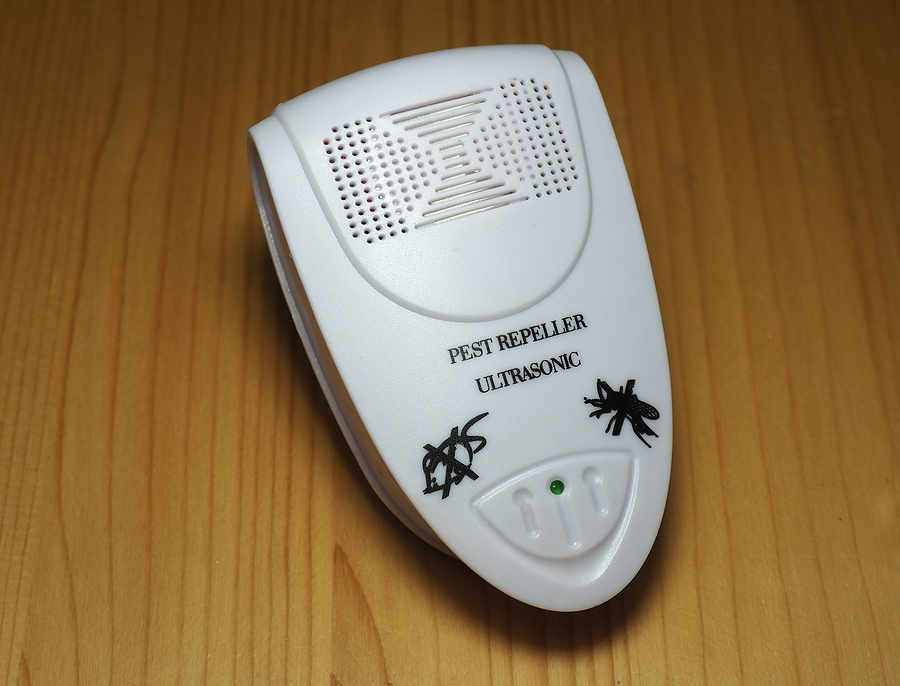
The market is flooded with various bat deterrents. Ultrasonic pest control devices plug into electrical outlets and claim to emit high-frequency sound waves that drive bats crazy. Chemical repellents, including gels and sprays, use strong odors like peppermint oil or predator urine to make the roosting area unappealing. Historically, some people have even scattered mothballs in their attics, hoping the noxious fumes would force the bats to relocate.
Why Repellents Fail
Scientific studies consistently show that commercial bat repellents are highly ineffective. The Federal Trade Commission (FTC) has even issued warnings to manufacturers of ultrasonic pest-control devices because the claims are unsupported by scientific evidence. Bats quickly become accustomed to the sound, or the sound waves simply fail to penetrate the insulation and structural beams of an attic. Similarly, odor-based deterrents dissipate rapidly in well-ventilated attic spaces. A mother bat raising her pup will endure almost any unpleasant smell rather than abandon her young.
The Risks of Relying on Repellents
Using repellents is often a costly waste of time, but it can also be actively dangerous. Mothballs, for example, slowly turn from solid forms into toxic vapors. Their active ingredient, naphthalene, is dangerous to humans and pets. Using mothballs as an off-label wildlife deterrent is actually illegal under Environmental Protection Agency (EPA) regulations. By relying on ineffective repellents, you allow the bat colony to grow, leading to more accumulated guano and urine soaking into your drywall and insulation.
Choosing the Right Solution for Your Home
Taking prompt, decisive action is the best way to safeguard your property. Knowing which method to choose will save you from frustration and unnecessary expenses.
When to Consider Exclusion
You should pursue bat exclusion the moment you confirm bats are entering your living space or attic. Exclusion is the only viable option for long-term resolution. Because bats possess strong homing instincts, they will return to the exact same roost year after year. Only a physical barrier will stop them.
When to Avoid Repellents
Repellents should be avoided entirely when dealing with an established indoor colony. There is no scenario where a chemical spray or ultrasonic plug-in will permanently evict a maternity colony from a comfortable, warm attic. Save your money and invest it in a permanent structural solution instead.
Long-Term Bat Management
Effective long-term management goes beyond the initial removal. It requires maintaining your home’s exterior to prevent future breaches. Regularly inspect your roof, siding, soffits, and chimney caps. Trimming overhanging tree branches can also reduce the likelihood of wildlife accessing your roof.
Frequently Asked Questions About Bat Removal
Are bats protected?
Yes. Many bat species, including the Indiana bat, are federally and state-protected. The Indiana Department of Natural Resources (DNR) strictly regulates how and when bats can be removed. It is illegal to kill them or use poisons.
How much does bat removal cost?
Bat removal costs vary based on the severity of the infestation and the size of your home. Nationally, homeowners pay between $400 and $1,500 for professional exclusion. In local areas, complex jobs involving extensive sealing or full colony cleanups can reach $1,600 or more.
Can I remove bats myself?
Attempting a DIY bat removal is highly discouraged. Without the proper training and protective gear, you risk exposing yourself to diseases. Additionally, amateur sealing jobs often trap bats inside the home, leading to frantic animals entering your living room or dying in the walls, creating a severe odor issue.
What time of year is best for bat exclusion?
Timing is critical due to the maternity season. In Indiana, the DNR prohibits bat exclusion from mid-May through August 15th. During this time, flightless pups are left in the roost while mothers hunt. Installing an exclusion device during maternity season will trap the pups inside to starve. The best times for exclusion are early spring (before pups are born) or early autumn (after pups can fly).
Protecting Your Home from Bats
Securing your home against wildlife intrusions protects your property value and your family’s health. While repellents offer an enticing promise of an easy fix, they consistently fail to deliver real results. True peace of mind comes from understanding the habits of these animals and using proven, physical exclusion methods to keep them outside where they belong. By addressing structural vulnerabilities directly, you can ensure a safe, bat-free environment for years to come.
If you are dealing with a wildlife issue, it is time to call in the experts. Reach out today for affordable bat removal and control in Indianapolis, Indiana.
Related Post: Bat Control 101: Tips and Tricks for Indiana Residents