Where Do Bats Go in the Winter in Indiana?

As the vibrant colors of autumn fade and the chill of winter settles over Indiana, the evening sky becomes noticeably emptier. The frantic, acrobatic flight of bats, a common sight during summer twilights, disappears completely. This seasonal absence often sparks curiosity: where do these fascinating creatures go when the temperature drops?

Unlike birds that migrate south to warmer climates, most of Indiana’s bat population stays relatively local. However, their strategy for surviving the harsh Midwestern winter is quite different from migration. They enter a state of deep sleep known as hibernation. Understanding where and how they hibernate sheds light on the delicate balance of our local ecosystem and the importance of protecting these often-misunderstood animals.

Call 317-535-4605 For Winter Bat Removal  in Indianapolis Indiana
Call 317-535-4605 For Winter Bat Removal in Indianapolis Indiana

What is Bat Hibernation?

Hibernation is a survival strategy used by many animals to endure periods of cold weather and limited food supply. For bats, whose primary diet consists of insects like mosquitoes and moths, winter means starvation if they remain active. Insects are ectothermic (cold-blooded) and cannot survive freezing temperatures, meaning the bat’s food source vanishes.

To cope, bats seek out a “hibernaculum”—a shelter where they can safely pass the winter months. Once settled, they enter a state of torpor. This isn’t just a long nap; it’s a profound physiological change.

Physiological Changes During Hibernation

When a bat enters hibernation, its body undergoes a dramatic transformation to conserve energy. Its metabolic rate drops significantly, sometimes to as low as 2% of its normal rate.

  • Heart Rate: An active bat’s heart can beat over 1,000 times per minute during flight. In hibernation, this can slow to just a few beats per minute.
  • Body Temperature: Perhaps the most critical change is the drop in body temperature. A hibernating bat’s temperature will fall to match the surrounding air temperature, often hovering just above freezing.
  • Breathing: Respiration slows drastically. A bat might go minutes without taking a breath.

This state of suspended animation allows bats to survive on the fat reserves they built up during the autumn months. Every disturbance that causes them to wake up burns precious calories, which is why finding the perfect location is a matter of life and death.

Where Do Indiana Bats Hibernate?

Not just any hole in the ground will do. Bats require specific conditions to hibernate successfully. They need protection from predators, shelter from extreme weather, and, crucially, a stable temperature that stays cool but doesn’t freeze.

Caves and Mines

Southern Indiana is rich in karst topography, a landscape formed from the dissolution of soluble rocks such as limestone. This geology creates extensive cave systems, which are the premier real estate for hibernating bats.

Caves and abandoned mines offer a consistent environment. Deep underground, the temperature remains relatively stable year-round, usually between 40°F and 50°F. This is the “Goldilocks zone” for many bat species—cold enough to facilitate deep torpor but warm enough to prevent freezing. The high humidity in caves also helps prevent the bats from dehydrating during their long sleep.

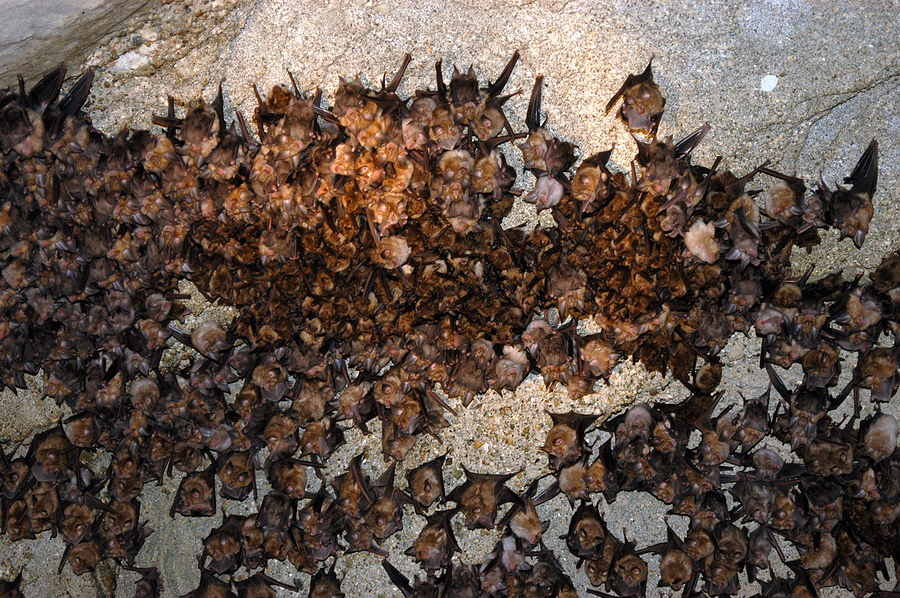
Species like the endangered Indiana bat (Myotis sodalis) and the Little Brown bat congregate in these locations by the thousands, huddling together for warmth and safety.

Trees and Hollows

While caves are the preferred choice for many, not all bats head underground. Some species, like the Red bat or the Silver-haired bat, are more solitary and prefer to hibernate above ground.

These bats often seek out hollow trees, deep crevices in bark, or leaf litter on the forest floor. They may even tuck themselves under loose shingles or in woodpiles. These locations are less thermally stable than caves, making these bats more vulnerable to severe cold snaps. However, these species are often hardier and possess dense fur that offers better insulation.

Other Sheltered Areas

Bats are opportunistic and will utilize other structures that mimic the conditions of a cave or hollow tree. This can include:

  • Rock Crevices: Deep fissures in cliff faces can provide adequate shelter.
  • Buildings: Attics, wall voids, and barns can sometimes serve as hibernacula, though they are often too warm or too dry for successful hibernation. However, Big Brown bats are known to overwinter in attics because they are remarkably tolerant of drier, fluctuating conditions.

Schedule a Free Bat Removal Inspection Today

The Threat of White-Nose Syndrome

In recent years, the winter refuge of Indiana’s bats has become a danger zone due to a devastating fungal disease known as White-Nose Syndrome (WNS). First detected in New York in 2006, it has since spread across North America, decimating bat populations.

What is White-Nose Syndrome?

WNS is caused by the fungus Pseudogymnoascus destructans. It thrives in the cold, damp environments of caves—the very places bats go to survive. The fungus grows on the muzzles, wings, and ears of hibernating bats, giving them a white, fuzzy appearance.

How Does It Affect Hibernation?

The fungus attacks the bats’ skin, causing irritation and dehydration. This physical distress causes the bats to wake up from hibernation much more frequently than normal. Each arousal burns through their critical fat reserves.

Essentially, the bats starve to death before spring arrives. They may leave the cave in mid-winter in a desperate search for food that doesn’t exist, leading to exposure and death. WNS has killed millions of bats and continues to be a major threat to biodiversity in Indiana.

How Can You Help Indiana Bats?

Bats play a vital role in our ecosystem, primarily as pest controllers. A single bat can eat thousands of insects in one night, saving farmers billions of dollars annually in pesticide costs and crop damage. Protecting them is in our best interest.

Educate and Advocate

The first step is understanding. Bats are not flying rodents, nor are they blind. They are sophisticated mammals facing significant threats. They are also the world’s only mammal that can fly. Some mammals float or soar on wind currents, but bats are capable of true flight. Sharing accurate information helps dispel myths and fear.

Protect Habitats

  • Stay Out of Caves: If you encounter a cave closure sign, respect it. Entering a hibernaculum can wake bats and inadvertently spread WNS spores on your clothing or gear.
  • Support Conservation: Organizations like the Indiana Department of Natural Resources (DNR) and Bat Conservation International work tirelessly to monitor populations and protect habitats. Supporting them through donations or volunteer work makes a difference.
  • Install a Bat House: Providing an alternative summer roosting spot can help females raise their pups successfully, bolstering the population before winter sets in.

Preventing Nuisance Bats

While we want to protect bats in their natural habitat, we generally don’t want them hibernating in ours. When bats enter homes, it usually happens because an attic provides a warm, safe alternative to a tree or cave.

Humane Bat Control

It is illegal and unethical to kill bats in Indiana. Furthermore, excluding bats during the winter is often impossible or dangerous for the animals, as they cannot fly out to find new shelter. The best time for bat-proofing is late summer or early autumn, after the young can fly but before winter hibernation begins.

Professional Bat Removal

If you discover bats in your home during winter, do not attempt to remove them yourself. They are likely in a state of torpor and defenseless. Disturbing them can be fatal for the bat and creates a risk of bites for humans if the bat wakes up disoriented. Always contact a licensed bat removal company in Indiana for assistance.

Final Thoughts

Bats are an integral part of Indiana’s natural heritage. Their disappearance in winter is a natural cycle of survival, a deep sleep that allows them to return in spring to patrol our night skies. However, facing threats like habitat loss and White-Nose Syndrome, they need our help more than ever. By respecting their hibernation spaces and managing interactions with them humanely, we ensure these remarkable creatures continue to thrive.

If you suspect you have a colony hibernating in your attic or walls, contact a professional immediately. For safe, humane, and effective bat removal and control in Indianapolis, trust our experts to handle the situation with the care these protected animals require.

Contact Our Indianapolis Bat Removal Experts Today

Related Post: Are Indiana Bats in Hibernation Right Now?

Bats in Indiana: Spooky Fun Facts for Halloween

Halloween Bat Removal Service Indianapolis

As Halloween approaches, images of bats flying against a full moon become a common sight. These nocturnal creatures have long been associated with spooky stories and the darker side of nature. However, the bat species in Indiana are far more than just Halloween decorations. They are fascinating animals that play a vital role in our ecosystem, and many of them are facing serious threats.

This guide will explore the world of Indiana’s bats, from their unique characteristics to their current conservation status. You’ll learn some fun, Halloween-themed facts about these creatures, understand why they are so important, and discover how to handle them humanely if they decide to take up residence in your home. Understanding these remarkable mammals is the first step toward appreciating their place in our world.

Appearance and Habitat of Indiana’s Bats

Call 317-535-4605 When You Need Local Bat Control Service in Indianapolis

Indiana is home to over 12 different species of bats, each with its own distinct features. Some of the most common include the little brown bat, big brown bat, evening bat, and the federally endangered Indiana bat and gray bat. While they share some traits, like being the only mammals capable of true flight, their appearances can vary.

Most bat species in Indiana are relatively small, with wingspans ranging from 9 to 15 inches. Their fur color can be anything from reddish-brown to dark gray, helping them blend into their surroundings. Despite the popular myth, bats are not blind; in fact, most have excellent vision. However, they primarily rely on a different sense to navigate the night.

Their habitats are just as diverse as their appearances. During the summer, bats often roost in trees, barns, or attics, forming maternity colonies where they raise their young. When winter arrives, many species migrate to caves and abandoned mines to hibernate. These dark, stable environments are crucial for their survival, serving as their own “spooky haunted houses” where they can safely rest until spring.

Diet and Behavior: The Night’s Guardians

Bats are nocturnal, emerging at dusk to hunt for insects. They are incredibly effective predators, acting as nature’s “Halloween exterminators.” A single little brown bat, for instance, can consume up to 1,000 insects in just one hour. This voracious appetite makes them essential for controlling populations of mosquitoes, beetles, and moths, which benefits both agriculture and public health. In fact, bats contribute an estimated $3 billion to the U.S. agriculture industry each year through pest control.

To find their prey in complete darkness, bats use a remarkable ability called echolocation. They emit high-frequency sounds and listen for the echoes that bounce back. This “supernatural sonar” allows them to create a detailed map of their surroundings, locating everything from a tiny mosquito to a large tree.

Many bat species in the state are also highly social animals. They form large colonies, sometimes consisting of thousands of individuals. These colonies create a true “batty” family, where they roost, raise their young, and hibernate together. This social structure is vital for their survival, as it helps them stay warm and protected from predators.

Conservation Status: A Troubling Decline

Unfortunately, many of Indiana’s bat populations are in steep decline. Approximately 20% of the state’s bat species are listed as endangered or threatened. The Indiana bat, for example, has seen its population drop by over 50% since the 1960s.

One of the most significant threats is White-Nose Syndrome, a fungal disease that has devastated bat populations across North America. The disease disrupts their hibernation, causing them to wake up too frequently and burn through their fat reserves, leading to starvation. Habitat loss, due to deforestation and urban development, is another major factor contributing to their decline. Protecting their natural roosting and foraging areas is critical for their long-term survival.

Request a Free Bat Removal & Control Inspection!

Spooky & Fun Bat Facts for Halloween

While their conservation status is a serious matter, we can still have some fun learning about these creatures, especially around Halloween.

Night Watchmen: Bats are true creatures of the night. Their nocturnal habits make them the perfect “night watchmen” for Halloween, patrolling the skies while trick-or-treaters are out collecting candy.

Voracious Appetites: Indiana bats can eat up to half their body weight in insects every night. Think of them as tiny, winged exterminators, keeping the creepy crawlies at bay.

Haunted Hibernation: During winter, bats hibernate in dark, secluded places like caves and mines. These serve as their spooky, real-life haunted houses, where they rest until spring.

Built-In Sonar: Bats use echolocation to navigate and hunt in the dark. It’s like having a built-in radar for finding treats (in their case, insects) on a dark Halloween night.

A Batty Family: Local bat species are very social and form large colonies. It’s like a big “batty” family gathering for the Halloween season, all huddled together in their roost.

Humane Bat Control and Removal

While bats are beneficial, they can sometimes become a nuisance if they decide to roost in our homes. If you find bats in the attic or walls, it’s important to handle the situation humanely. Using poisons or chemicals is not only harmful to bats but can also pose a risk to other wildlife and your family.

Here are some humane bat control methods:

  • Seal Entry Points: After bats have left for their winter hibernation, seal any potential entry points with caulk, netting, or screens. This prevents them from returning in the spring.
  • Use Exclusion Devices: Install one-way exclusion devices over the main entry points. These devices allow bats to exit but prevent them from re-entering.
  • Avoid Maternity Season: It is crucial to avoid any bat removal during the maternity season, which typically runs from May to July. This protects the young pups who are unable to fly and would be trapped inside.
  • Contact a Professional: The safest and most effective way to handle a bat issue is to contact a professional bat removal service. A licensed wildlife control operator will be familiar with local regulations and can ensure the bats are removed humanely.

The Indiana Department of Natural Resources (DNR) has specific guidelines for bat removal, especially concerning protected species like the Indiana bat. Always check with the DNR or a licensed professional before attempting any bat exclusion activities.

Protecting Indiana’s Winged Wonders

Bats are far more than a spooky symbol of Halloween. They are a crucial part of Indiana’s ecosystem, providing invaluable pest control and contributing to the health of our environment. The challenges they face, from habitat loss to disease, require our attention and action. By learning about these fascinating creatures and supporting conservation efforts, we can help ensure they continue to grace our night skies for generations to come.

If you suspect you have bats in your home, taking swift and humane action is key. A professional bat control inspection can help you identify entry points and develop a safe removal plan that protects both your home and these vital animals.

Are you concerned about bats in your home? Don’t wait. Schedule a professional bat control inspection today to ensure a safe and humane solution for your family and our winged friends.

Schedule Your Bat Control Inspection

Related Post: Fun Facts About Vampire Bats

The Ecological Importance of Bats: Why They Matter

Bats often get a bad rap, unfairly associated with myths of vampires or feared for the spread of diseases. However, these small yet mighty mammals are unsung heroes of our ecosystems, playing pivotal roles that go beyond what most of us realize. Representing over 1,400 species worldwide and comprising the order Chiroptera, bats are incredibly diverse and deeply important to the natural world. 

This post will explore bat ecology, their contributions to our economy, challenges to their survival, and why we must protect these incredible creatures. By the end, you’ll see why bat conservation isn’t just important for them—it’s essential for us. 

Call 317-535-4605 For Professional Indianapolis Bat Control Service
Save Download Preview Peter’s Dwarf Epauletted Fruit Bat (Micropteropus pusillus)

Ecological Roles of Bats in Our World

Did you know bats are some of nature’s most versatile workers? From supporting agriculture to maintaining biodiversity, bats play several critical ecological roles. 

Nature’s Pollinators 

Think bees are the only pollinators? Think again. Certain species of Megabats, like the straw-colored fruit bat or the Indian flying fox, are vital pollinators for over 300 plant species. These plants include crops like bananas, mangoes, dates, and agave (used to make tequila!). Their nocturnal behavior makes them important pollinators for flowers that bloom at night, ensuring the survival and reproduction of countless plant species. 

Seed Dispersers 

Bats play a key role in reforestation, especially in tropical and subtropical regions. Frugivorous bats consume fruit and disperse the seeds widely through their droppings, often traveling long distances. This simple act makes forests more resilient and helps recover degraded areas. For example, bats in the Amazon and Southeast Asia are instrumental in regenerating deforested rainforest ecosystems. 

Natural Pest Controllers 

Imagine an Eco-friendly pest control system that works every night without fail. Microbats, such as the Mexican free-tailed bat (Tadarida brasiliensis), feast on moths, beetles, and even mosquitoes, consuming up to 1,000 insects an hour. This reduces the need for pesticides, making them invaluable to both farmers and city dwellers. 

Without bats, insect populations would explode, leading to crop losses and discomfort for people worldwide (goodbye, peaceful campouts or barbecue nights!). 

Economic Impact of Bats 

Bats aren’t just ecological heavyweights; they’re economic assets too. Research estimates that bats save the U.S. agriculture industry around $23 billion annually by reducing the need for chemical pest control. The Mexican free-tailed bat, for instance, is a primary player in this arena, especially in places like Texas, where farmers rely on them to keep cotton pests like bollworms at bay. 

Besides agriculture, bat-driven pollination directly supports horticulture and food production industries, benefiting economies on a global scale. Loss of bat populations would invariably lead to increased pesticide use, along with higher costs for farmers and consumers. 

Challenges to Bat Conservation 

Despite their incredible importance, bats are now facing serious threats. Their survival depends on overcoming key challenges, some of which are outlined below. 

1. Habitat Loss 

Urbanization, deforestation, and mining are robbing bats of the caves, forests, and roosts they need to survive. Fragmented habitats not only reduce food sources but also make bats more vulnerable to predators and human interference. 

2. White-Nose Syndrome 

One of the greatest challenges to North American bats, White-Nose Syndrome (WNS), has devastated populations of species like the little brown bat (Myotis lucifugus). This fungal disease spreads during hibernation, disrupting their critical rest cycles and leading to mass mortality. WNS has killed millions of bats since its discovery in 2006. 

3. Misconceptions and Fear 

Misunderstandings about bats’ role in spreading diseases like rabies or COVID-19 often lead to fear-driven persecution. Many people see bats as a nuisance rather than an ecological ally, making public education a critical component of conservation efforts. 

Conservation Efforts That Make a Difference 

The fight to save bats is gaining traction, thanks to the work of organizations like Bat Conservation International (BCI). Here’s what conservationists are doing to protect these night-flying champions:

  • Habitat Protection: Preserving natural caves and forests, installing artificial roosts, and ensuring safe migration corridors. 
  • Combatting Diseases: Researchers are working tirelessly to mitigate the spread of White-Nose Syndrome, including potential vaccines. 
  • Education and Citizen Science: Public awareness campaigns and community bat-monitoring programs are encouraging individuals to get involved in bat conservation. 

You can support these efforts too! Small actions like installing a bat house in your backyard or donating to a nonprofit organization like BCI can have a huge impact. 

Managing Nuisance Bats in Urban Areas 

While we love bats, they’re not always welcome when they roost in attics or other parts of urban infrastructure. If you’re dealing with a bat infestation, here’s how to address it humanely and effectively: 

  • Exclusion: Install one-way doors or netting to allow bats to exit but not re-enter during non-breeding seasons. 
  • Deterrents: Ultrasonic devices, bright lights, or draft blockers can discourage bats from settling. Note that the effectiveness of these methods varies. 
  • Professional Assistance: When in doubt, consult a wildlife specialist with experience in humane bat removal

Remember, bats are protected in many regions. Harassing or harming them intentionally is not only ecologically harmful but often illegal. 

How You Can Make a Difference 

Whether as pollinators, pest controllers, or forest regenerators, bats fill roles in our ecosystems that no other species can. Yet, they face immense challenges and need our help to survive. 

By supporting bat conservation, you’re directly contributing to healthier ecosystems, stronger economies, and a more sustainable planet. Here’s how you can make a difference today:

  • Spread the Word: Share this article on social media to educate others about the importance of bats. 
  • Take Action: Install a bat house in your backyard or participate in community conservation projects. 
  • Support Ongoing Efforts: Donate to organizations like Bat Conservation International, and support their work to save these incredible creatures. 

With our help, endangered bats like the little brown bat or the insect-devouring Mexican free-tailed bat can thrive once more. Together, we can ensure that bats continue to fly into a brighter future—for their sake, and for ours. 

Conclusion

Bats are vital players in our ecosystems and economies, yet they face numerous challenges that threaten their survival. Protecting these fascinating creatures requires collective action, from conservation efforts to public education. By working together, we can secure a future where bats thrive, ensuring a healthier planet for generations to come. Let us all do our part to champion these silent guardians of the night.

Facing nuisance bat problems in the Hoosier state? Contact us at 317-257-2290 for professional and prompt  bat removal and control services you can trust. We serve residential and commercial clients.

Related Posts:

Exploring the Echolocation Behavior of Common Bat Species in Indiana
The 3 Species of Nuisance Bat in Indiana
Dealing with Bats in Your House: Humane Wildlife Removal Strategies

Do You Hear Strange Noises in Your Attic? It Might Be a Bat Problem

Have you been hearing mysterious noises coming from your attic? You’re not alone. Many homeowners experience this unsettling phenomenon, and the culprit is often bats. Identifying strange attic noises is essential, as it can save you from potential health risks and costly home repairs. In this blog post, we will explore the signs of a bat infestation, what bats sound like in your attic, and what steps you should take if you suspect these winged creatures have taken up residence above you.

Call 317-535-4605 For Professional Bat Infestation Removal in Indianapolis Indiana

Signs of a Bat Infestation

Understanding the signs of a bat infestation is the first step in addressing the issue. Bats are nocturnal creatures, so they’re most active at night, making it easier to detect their presence after sunset. One of the most noticeable signs is strange noises coming from your attic. These can include high-pitched squeaks or the sound of fluttering wings as bats exit and enter your home.

Another telltale sign of a bat infestation is the presence of guano, or bat droppings. Guano often accumulates near entry points or below roosting areas. It’s important to approach guano with caution, as it can carry harmful fungi that lead to histoplasmosis, a respiratory disease.

Visual sightings of bats flying in and out of your house at dusk are a clear indication that you’ve got bats in the attic. If you notice bats leaving or entering through small openings in your roof or siding, it’s time to take action.

Why Bats Make So Much Noise

Bats make a variety of sounds that can help you identify their presence. These include squeaking, scratching, and flapping noises. Distinguishing bat sounds from other attic noises is crucial for confirming an infestation.

The squeaking sounds you hear are typically high-pitched vocalizations bats use to communicate with each other. These sounds can be faint but become more noticeable if you’re near the source.

Scratching noises are often made when bats move around or when they cling to surfaces. These sounds can easily be confused with those made by rodents or other small animals.

Flapping noises occur as bats take flight. The sound of wings rustling against attic surfaces can be a telltale sign that bats are present. Listening carefully can help differentiate these noises from those made by birds or other wildlife.

What Bats in the Attic Sound Like

When bats inhabit your attic, the variety of sounds they produce can be quite distinct. Squeaking noises can range from subtle chirps to more pronounced calls, especially during feeding times when bats return with food for their young.

Scratches might be heard as bats adjust themselves in their roost or as they try to find a comfortable spot. These noises are usually soft but persistent, depending on the number of bats present.

Fluttering sounds are unmistakable when bats are active. Their wings can create a gentle flapping noise, especially as they take off or land. This sound can be accompanied by the rustling of attic insulation or other materials as bats move about.

Risks Associated with Bat Infestations

Bats in the attic pose several risks that homeowners should be aware of. One of the primary concerns is health-related. Bat guano can harbor pathogens like Histoplasma capsulatum, which causes histoplasmosis, a potentially serious lung infection. In addition, bats are known carriers of rabies, though the risk of transmission is low unless there is direct contact.

Structural damage is another concern. Bats can cause damage to insulation, wiring, and other building materials. Over time, a large bat colony can lead to significant damage and costly repairs. The presence of bats can also attract other pests, such as mites and insects, which can create additional health and hygiene concerns in your home.

How to Confirm a Bat Infestation

If you suspect a bat infestation, there are several steps you can take to confirm their presence. First, inspect your attic for any signs of bats, such as droppings, urine stains, or signs of nesting. Pay close attention to potential entry points like vents, eaves, and gaps in roofing.

Consider setting up a bat watch. At dusk, observe your home from the outside to see if bats are exiting. This is often the easiest way to confirm an infestation, as you’ll be able to see them leaving for their nighttime feeding.

Hiring a professional wildlife removal expert can provide definitive confirmation. These experts can conduct a thorough inspection of your home, identify the species of bats present, and recommend appropriate actions for removal and exclusion.

Next Steps: Dealing with a Bat Infestation

If a bat infestation is confirmed, it’s critical to address the situation promptly. Contact a licensed bat removal company that is experienced in bat control. They will use humane methods to safely remove the bats and prevent their return.

Bat exclusion is the most effective method for dealing with an infestation. This involves sealing potential entry points while allowing bats to leave the attic safely. It’s important to note that bats are protected species in many areas, so exclusion should be conducted during times when bats are not raising their young.

Cleaning and decontaminating the affected area is also essential. A professional cleaning service can safely remove guano and sanitize the space to prevent health risks.

Preventing Future Bat Infestations

Taking preventive measures is key to avoiding future bat infestations. Start by inspecting your home for potential entry points. Seal any gaps, cracks, or openings in your roof, siding, and vents. Ensure that all attic vents are covered with a fine mesh screen to prevent bats from entering.

Consider installing bat houses on your property. By providing an alternative roosting spot, you can help protect local bat populations while keeping them out of your home. Bat houses should be placed at a safe distance from your house and in suitable locations where bats are likely to thrive.

Regular maintenance and inspections of your home can also help prevent infestations. Keep an eye on your roof’s condition and address any damage promptly to prevent bats from finding their way inside.

Conclusion

In conclusion, hearing strange noises in your attic could indeed be a sign of a bat infestation. By understanding the signs, sounds, and risks associated with bats in the attic, homeowners can take proactive steps to address the issue. If you suspect bats, don’t delay in seeking professional assistance to ensure the safety of your home and family.

For more information or if you require professional assistance with bat removal, contact a reputable wildlife removal service. Taking action today can help protect your home and maintain a harmonious coexistence with nature’s flying mammals while ensuring that your living space remains safe and secure.

If you have bats in your home, take immediate action. Contact Bat Removal Indiana at 317-535-4605 for licensed and insured bat removal and control in Indianapolis and its surrounding counties. We serve both residential and commercial clients.

Related Posts:

Schedule an Attic Inspection if You Think You Have a Bat Infestation
Where to Get Help With Your Bat Infestation Insurance Claim
What to Do When You Need to Get Rid of Bats in the Attic

Exploring Bat Diseases and Their Impact on U.S. Ecosystems

Bats often flit through the twilight skies, mysterious and fascinating creatures that captivate wildlife enthusiasts and the general public alike. These nocturnal mammals play a crucial role in our ecosystem by controlling insect populations and pollinating plants. However, they sometimes carry diseases that can pose risks to humans. Understanding these risks, especially for homeowners and those interested in bat removal, is key. This blog post aims to unravel some of the common misconceptions and facts surrounding bats and bugs in the United States of America. Let’s get started!

Call 317-535-4605 For Professional Bat Removal Service Near Indianapolis

A Brief Overview of Bats in the U.S.

Bats are the only mammals capable of sustained flight, boasting a diversity that includes over 1,400 species globally. In the United States, bats are mostly divided into microbats and megabats. While most bats are insectivores, feeding on insects, others feast on fruit or nectar. Their presence in nature is vital, yet they often find refuge in human structures, leading to concerns.

In the wild, bats contribute significantly to pest control, aiding farmers by preying on nocturnal insects. Despite their ecological importance, bats sometimes end up in attics or other areas of homes, creating the need for effective bat removal strategies. Understanding the behaviors and habitats of these creatures is the first step in addressing any potential issues they may cause.

Bats are generally harmless, but proximity to humans can lead to the transmission of certain diseases. This makes it essential for those living in bat-populated areas to be aware of the potential health risks and necessary precautions.

What You Need to Know About Bat Diseases

While bats play a crucial role in the environment, they can also be carriers of several diseases. Bat droppings, or guano, can harbor pathogens that may lead to illness in humans. These conditions often require attention from a reputable bat control service to ensure safety and health.

One of the most concerning diseases associated with bats is Rabies, a virus that is transmitted through saliva via bites or scratches. Fortunately, rabies exposure from bats is rare, but awareness and preventive measures are vital. Rabies remains a serious concern, especially for those living close to bat habitats.

Histoplasmosis is another condition linked to bat droppings, caused by a fungus that thrives in the nutrient-rich environment of guano. Inhalation of airborne spores from disturbed droppings can lead to respiratory issues, emphasizing the importance of careful handling or professional bat removal.

Common Diseases Transmitted by Bats in the United States

Rabies

Rabies is perhaps the most infamous disease associated with bats. This virus targets the nervous system and can be deadly if untreated. Rabies transmission from bats to humans typically occurs through bites, though it is exceedingly rare.

The importance of rabies awareness stems from its potential severity. Even a minor bite should prompt immediate medical attention, as early treatment is crucial. Vaccines and post-exposure prophylaxis can effectively prevent the disease after exposure.

For homeowners and wildlife enthusiasts, knowing how to handle encounters with bats is essential. Avoid direct contact, and if a bat is found indoors, contact a bat control service for safe removal.

Histoplasmosis

Histoplasmosis is a respiratory condition triggered by inhaling spores from the fungus Histoplasma capsulatum. These spores thrive in environments rich in bat droppings. Disturbing guano in attics or other areas can release spores into the air.

Symptoms of histoplasmosis mimic those of the flu, making diagnosis challenging. While most cases resolve without treatment, severe instances may require anti-fungal medication. This highlights the importance of proper bat removal techniques that prevent the spread of spores.

Preventive measures include wearing protective gear when cleaning areas contaminated with bat droppings and ensuring proper ventilation. Professional bat removal services can offer guidance and assistance in safely managing these situations.

Bat Bugs and Bat Mites

Bat bugs and mites are tiny parasites that feed on bats and may infest homes where bats reside. Although they do not transmit diseases to humans directly, their bites can cause skin irritation and discomfort.

Identifying an infestation of bat bugs or mites can be challenging, as they closely resemble bed bugs. Professional pest control is often required to address these pests effectively. Ensuring bats are removed from your home is the first step in eliminating these unwanted guests.

By addressing bat infestations promptly, homeowners can prevent secondary issues like bat bugs and mites, maintaining a safe and comfortable living environment.

Leptospirosis

Leptospirosis is a bacterial disease that can be transmitted through contact with water or soil contaminated by infected animal urine, including that of bats. While rare, it poses a risk to humans, particularly in regions where bats and humans closely coexist.

Symptoms of leptospirosis vary but may include fever, muscle pain, and headaches. In severe cases, it can lead to liver or kidney damage. Prompt diagnosis and antibiotic treatment are crucial to prevent complications.

Practicing good hygiene and avoiding exposure to potentially contaminated water sources can minimize the risk of leptospirosis. Awareness of this condition is important for those living near bat populations.

Tips for Preventing Bat Encounters

Awareness and prevention are key to mitigating the risks associated with bat-borne diseases. Homeowners and wildlife enthusiasts can take several steps to safeguard their health and homes. Here are some safe bat control tips on how to prevent dangerous bat encounters at home and in nature:

  • Securing Entry Points – Preventing bats from entering homes is the first line of defense. Sealing gaps, installing chimney caps, and securing vents can help keep bats outside where they belong. Regular inspections can identify potential entry points.
  • Safe Handling of Bat Droppings – When dealing with bat droppings, always wear protective gear, including gloves and masks. Wetting droppings before removal can minimize the risk of airborne spores. Consider hiring professionals for thorough cleaning.
  • Educating the Community – Raising awareness within the community about bat-borne diseases and prevention strategies can foster a safer environment. Sharing knowledge and collaborating with local wildlife organizations can enhance efforts.

When to Seek Professional Bat Removal and Control

While DIY solutions exist, professional bat removal and control services offer expertise and assurance of safety. Knowing when to call experts can save time and prevent potential health risks.

  • Expertise in Handling Bats – Trained professionals understand bat behavior and possess the tools required for safe capture and removal. Their knowledge ensures minimal stress to the animals and prevents harm to humans.
  • Assessing and Mitigating Risks – Professionals assess the extent of infestations and recommend personalized solutions. Their comprehensive approach ensures thorough bat control and prevents recurrence.
  • Compliance with Regulations – Bat removal is governed by regulations that protect these creatures. Professionals are familiar with legal requirements, ensuring compliance while addressing concerns.

Conclusion

Understanding the role bats play in our ecosystem and the potential risks they pose is crucial for responsible wildlife coexistence. By taking preventive measures and seeking professional assistance when needed, we can appreciate these fascinating creatures without compromising our health.

Whether you’re a wildlife enthusiast or a homeowner seeking bat control, staying informed and proactive is key. Consider reaching out to experts for guidance and exploring additional resources to deepen your understanding of bat-borne diseases.

Explore more, stay curious, and enjoy the wonders of nature responsibly. If you find yourself dealing with bats in your attic or elsewhere, remember that professional bat removal services are just a call away.

Meanwhile, stay vigilant and take necessary action when needed to keep your home bat-free! Contact Bat Removal Indiana at 317-535-4605 for more information! We are licensed wildlife control specialists who offer full service bat removal in Indianapolis who can provide you with the help you need.

Related Posts:

The Dangers of Having Bats in Your Home
Rabies Vaccinations Statute for Pets in Indiana
Common Signs of a Bat Infestation and How to Deal With One

Repairing Bat Damages: Navigating Infestations in the Attic

Bat infestations in attics have become a prevalent issue for homeowners who relish the charm of their cozy abodes. While these creatures are vital to the ecosystem, their presence in your attic can lead to significant challenges. This blog post aims to guide homeowners in understanding the signs of a bat infestation, the potential damage they can cause, and the best practices for removing them and preventing future occurrences. By the end of this guide, you’ll be equipped with essential knowledge to protect your home from becoming a bat sanctuary.

Indianapolis Bat Removal and Control
Indianapolis Bat Removal and Control 317-535-4605

The Signs of a Bat Infestation in the Attic

Bats can be elusive creatures, often making their home in attics where they find warmth and shelter. However, their presence is not without risks. One of the first steps in managing a bat infestation is recognizing the signs. Homeowners should be on the lookout for small droppings near entry points or in the attic. These droppings, known as guano, not only signal an infestation but can also pose health risks due to harmful spores.

Another telltale sign is the noise. Bats are nocturnal, meaning you’re likely to hear fluttering or scratching sounds at night. The noises may seem harmless, but they indicate that bats have made themselves comfortable in your home. Early detection of these signs can prevent more extensive damage. Finally, spotting bats during their flight at dusk around your property is a clear indicator that they might have found refuge in your attic.

Exploring the Damage Bats Can Cause to Homes

While bats themselves do not chew wires or wood, their guano can be extremely damaging to your attic. Over time, the accumulation of waste can lead to structural damage and unpleasant odors throughout the house. This damage can escalate quickly, making it important to address the issue sooner rather than later. In addition to structural concerns, bat guano can also impact your health. It can lead to respiratory issues if inhaled, especially in enclosed spaces like attics.

Beyond the physical damage, there’s the risk of disease. Bats are known carriers of rabies and other diseases, which can pose a threat to household pets and humans alike. Ensuring that you take action promptly minimizes health risks and prevents further damage to your home. Addressing a bat infestation quickly can save you from costly repairs and potential health crises down the line.

Legal and Ethical Considerations

Before you attempt to remove bats from your attic, it’s crucial to understand the legal and ethical considerations involved in the process. In many areas, bats are protected species due to their environmental benefits, such as pest control. Consequently, there are specific regulations regarding their removal. It’s vital to educate yourself on local laws to ensure compliance and to choose humane methods for bat removal.

Working with wildlife control professionals who are familiar with these regulations can make the process smoother and ensure that the bats are handled ethically. These experts not only know how to remove bats without harming them but also how to handle potential legal hurdles. Trying to remove bats without proper knowledge could lead to legal repercussions, so it’s always best to consult with professionals.

Ensuring ethical removal is not only about following the law; it’s also about contributing to the preservation of these important creatures. By respecting these guidelines, homeowners can do their part in conserving bat populations while still protecting their homes.

The Importance of Hiring Bat Removal Professionals

When it comes to dealing with a bat infestation, hiring professionals is often the safest and most effective approach. Bat removal experts have the necessary tools and experience to handle the situation without putting themselves or the bats at risk. Their expertise ensures that the bat exclusion process is carried out humanely and in compliance with local laws.

Professional bat removers can also offer insights into how the bats gained access to your attic and suggest preventive measures to avoid future infestations. Attempting to remove bats on your own can be dangerous, especially if you’re not familiar with their behavior or the potential hazards involved. By relying on professionals, you can ensure a thorough and safe removal process.

Ultimately, while hiring experts may incur costs, it is an investment in the safety and integrity of your home. Their knowledge and skills can save you time, money, and stress in the long run.

Bat Infestation Cleanup and Renovation

Once the bats are removed, the work isn’t over. Proper cleanup and restoration are essential to return your attic to a healthy state. Start by cleaning up guano and any other debris left behind by the bats. This may require professional cleaning services to ensure all health hazards are eliminated.

Next, inspect the attic for any structural damage that may have occurred during the infestation. This could include compromised insulation, wood rot, or any other issues that need addressing. Repairing these damages promptly is crucial to maintaining the structural integrity of your home.

Consider enhancing your attic’s defenses with additional insulation or sealing open entry points to prevent future infestations. Taking these steps not only restores your attic but also strengthens your home against future bat invasions.

Preventing Future Bat Infestations

After dealing with a bat infestation, prevention becomes the top priority. Implementing long-term strategies can protect your home from future challenges. Start by sealing any potential entry points in your attic, such as gaps in roofing or vents. Regular inspections can help identify vulnerabilities before they become major issues.

Incorporating bat deterrents, like ultrasonic devices or visual repellents, can also discourage bats from returning. Additionally, maintaining a clean attic free of clutter and debris can make it less appealing to bats seeking shelter.

Educating yourself about bat behavior and staying informed about preventive measures will empower you to take proactive steps in safeguarding your home. Consistent vigilance and maintenance can keep your attic bat-free for years to come.

Conclusion

Navigating a bat infestation in your attic can be a daunting task, but with the right knowledge and resources, you can protect your home effectively. Recognizing the signs of an infestation and understanding the potential damage bats can cause are the first steps in addressing the issue. Swift action in hiring professionals ensures the safe and ethical removal of bats while adhering to local regulations.

Once removed, restoring your attic and implementing preventive measures will help maintain a bat-free environment. Regular inspections and being proactive in your approach will ensure your home remains a safe haven. If you’re currently facing a bat infestation or want to prepare for the future, don’t hesitate to contact a licensed bat removal service to guide you through the process. Together, we can create a harmonious balance between protecting our homes and preserving the vital role bats play in our ecosystem.

Have bats been tormenting your property? You’re positive you have bats in the house? Don’t endure their infestation any longer! Contact us at 317-535-4605 for fast and affordable bat removal service in Indianapolis, Indiana. We are DNR certified and insured experts who provide solutions to residential and commercial clients. Ask for a complimentary estimate or advice right away!

Related Posts:

Bats in the Attic: How to Safely Remove Them and Restore Your Home
Schedule an Attic Inspection if You Think You Have a Bat Infestation
How to Look for Bats in the Attic

Unlocking the Garden’s Secret: The Power of Sustainable Bat Guano

When thinking about gardening and agriculture, bat droppings probably don’t come to mind. Yet, guano, particularly that from bats, has a rich history and plays a crucial role in soil enrichment and plant health. Used since ancient times, guano is prized for its potent nutritional content and Eco-friendly benefits. This blog will explore the significance of guano in agriculture and how you can harness its power for your garden.

Call 317-535-4605 For Professional Bat Removal Services in Indianapolis Indiana

Types of Guano

While guano is a term used for both bat and bird droppings, there are significant differences between the two. Bird guano often comes from coastal or island colonies and has been used in fertilizer production for centuries. However, bat guano is considered superior due to its richer nutrient profile.

Bat droppings are typically smaller in size and darker in color compared to bird guano. They also have a distinct musty smell, which is due to the high ammonia content. You can often find piles of bat droppings near roosting sites, such as caves or abandoned buildings.

Nutritional Value of Bat Guano

One of the main reasons bat guano is so valued in agriculture is its high concentration of essential nutrients. It is packed with nitrogen, phosphorus, and potassium, the three primary nutrients that plants need to thrive. Nitrogen promotes lush, green growth and is crucial for leafy vegetables and grass.

Phosphorus supports root development and flower production, making it essential for blooming plants. Potassium enhances overall plant health, improving resistance to disease and environmental stress. With these nutrients, bat guano offers a powerful and natural way to boost plant growth and health.

Sustainable Harvesting and Guano Collection

Harvesting guano is not just about scooping up bat droppings. Sustainable and Eco-friendly methods are essential to preserve bat habitats and ecosystems. Over-harvesting can disrupt bat colonies, affecting their survival and the biodiversity they support. Collecting guano sustainably involves minimal disturbance to bats and their habitats, often using specialized equipment and techniques to ensure that bat populations remain healthy and thriving.

How to Use Guano for Gardening

Incorporating bat guano into your gardening routine is straightforward, but it requires some knowledge. For gardeners, guano can be used as a soil amendment, fertilizer, or even a natural pest repellent. It can be mixed into the soil before planting or used as a top dressing during the growing season. Farmers can benefit from guano by applying it to crops to enhance soil fertility and plant health. Guano tea, made by steeping guano in water, is another effective way to deliver nutrients directly to plant roots.

Dangers Associated with Guano

While bat guano offers numerous benefits, it’s essential to be aware of potential risks. Long-term bat infestations can lead to structural damage and health hazards, including histoplasmosis, a respiratory disease caused by fungal spores found in guano.

Taking precautions, such as wearing protective gear when handling guano and ensuring proper ventilation, can mitigate these risks. Additionally, addressing bat infestations through humane methods, such as bat exclusion and repellent, helps protect both human health and bat populations.

Conclusion

Bat guano is a powerful and sustainable resource for gardeners and farmers alike. Its rich nutritional content can significantly enhance soil health and plant growth. By using Eco-friendly harvesting methods and incorporating guano into your gardening practices, you can enjoy the benefits while preserving bat habitats. Consider trying bat guano in your garden and experience the difference it can make. Remember, sustainable practices ensure that both your plants and the environment thrive.

Are you dealing with an increasingly risky bat population on or around your Indy property? Contact us today at 317-535-4605for professional Indianapolis bat removal services you can afford. We are DNR licensed and insured, serving both residential and commercial clients all throughout Central Indiana.

Related Posts:

Never Attempt to Remove Bats By Yourself
3 Smells That Can Repel Nuisance Bats
Top 3 Reasons Why Bats are Ecologically Important

Protected Wildlife in Indiana A Guide to Laws, Regulations, and Legal Compliance

Imagine stepping into the lush forests or peaceful wetlands of Indiana, knowing that every species you encounter is protected by a tapestry of laws designed to preserve nature’s delicate balance. For wildlife enthusiasts, conservationists, outdoor adventurers, and homeowners alike, understanding these regulations is crucial. This blog will unravel the importance of Indiana wildlife laws, helping you become a more informed and responsible steward of the natural world.

You’ll learn about the main wildlife regulations, the role of state and federal agencies, and how these laws impact conservation efforts. Plus, we’ll guide homeowners on living harmoniously with local wildlife while staying compliant with legal obligations. By the end, you’ll see why these laws are not just rules but essential fabrics that protect the environment we cherish.

Call 317-535-4605 For Bat Removal Services in Indianapolis

Key Wildlife Laws and Regulations in Indiana

Hunting Regulations

Hunting is a popular activity in Indiana, but it’s governed by strict laws to ensure sustainability. The Indiana Department of Natural Resources (IDNR) sets specific seasons for different game, such as deer, turkey, and waterfowl. Hunters must possess the appropriate licenses and adhere to bag limits, which control the number of animals that can be legally hunted each season. Violating these regulations can lead to hefty fines and loss of hunting privileges.

Fishing Regulations

Fishing, another beloved pastime, is regulated to protect fish populations and aquatic ecosystems. Anglers need a fishing license and must follow size and bag limits. Some species, like the lake sturgeon, are protected and must be released if caught. Additionally, certain water bodies have special regulations to prevent overfishing and maintain biodiversity. Compliance ensures that Indiana’s waters remain vibrant and teeming with life.

Trapping Regulations

Trapping fur-bearing animals such as beavers, raccoons, and foxes is also subject to state regulations. Trappers must obtain a license and follow specific guidelines regarding trap types and placement. The season for trapping is limited to prevent excessive harvest and to ensure animal populations can recover. These regulations are vital for maintaining the ecological balance and supporting sustainable wildlife management practices.

The Role of State and Federal Agencies

Indiana Department of Natural Resources (IDNR)

The IDNR plays a pivotal role in enforcing wildlife laws across the state. They conduct regular patrols, investigate violations, and educate the public on legal requirements. The IDNR also collaborates with conservation organizations to develop policies that promote wildlife preservation. Their efforts are instrumental in ensuring compliance and protecting Indiana’s natural heritage.

U.S. Fish and Wildlife Service (USFWS)

At the federal level, the USFWS enforces laws that protect endangered species and migratory birds. This includes implementing the Endangered Species Act and the Migratory Bird Treaty Act, which provide critical protections for at-risk species. The USFWS works in tandem with state agencies to ensure that federal regulations are upheld, enhancing the overall framework for wildlife conservation.

Local Law Enforcement

Local law enforcement agencies also contribute to wildlife law enforcement. They often assist in handling wildlife-related complaints from residents and ensuring that local ordinances are followed. Their involvement is crucial for addressing issues that arise within communities, particularly those related to nuisance wildlife and habitat encroachment.

Impact of Wildlife Laws on Conservation Efforts

Habitat Protection

Wildlife laws are integral to conserving natural habitats. Regulations restrict activities that could harm ecosystems, such as deforestation and pollution. Protected areas, like state parks and nature reserves, are established to provide safe havens for wildlife. These efforts ensure that habitats remain intact and capable of supporting diverse species.

Species Recovery

Laws protecting endangered and threatened species are vital for their recovery. Programs aimed at reintroducing species into their natural habitats have seen success due to legal safeguards. For instance, the reintroduction of the river otter in Indiana was a triumph of coordinated conservation efforts, supported by robust legal frameworks.

Public Awareness

Wildlife laws also play a significant role in raising public awareness about conservation. Educational campaigns and community outreach initiatives inform citizens about the importance of protecting wildlife. This fosters a culture of respect and responsibility towards nature, encouraging people to take active roles in conservation.

Protected Bat Species in Indiana

The Indiana Bat

The Indiana bat is federally protected and listed as endangered. These bats play a crucial role in pest control, consuming large quantities of insects nightly. Disturbing their roosting sites, particularly during hibernation, is illegal and can have severe consequences for their populations. Protecting these bats is essential for maintaining ecological balance and reducing insect-related nuisances.

The Northern Long-Eared Bat

Another bat species under federal protection is the Northern long-eared bat. This species faces threats from habitat loss and white-nose syndrome, a deadly fungal disease. Legal protections focus on preserving hibernation sites and minimizing disturbances during critical periods. Conservation efforts are geared towards mitigating these threats and supporting population recovery.

The Evening Bat

While not federally protected, the evening bat is a species of concern in Indiana. These bats often roost in trees and sometimes buildings, leading to conflicts with homeowners. Understanding their ecological importance and adhering to guidelines for non-lethal removal helps maintain their populations and prevent unnecessary harm.

A Guide for Homeowners on Living in Harmony with Local Wildlife

Understanding Local Wildlife

Homeowners play a vital role in wildlife conservation. Recognizing the presence of local wildlife and understanding their behaviors can help mitigate conflicts. For example, knowing that raccoons are attracted to easy food sources can prompt measures to secure trash bins and remove attractants, reducing the likelihood of encounters.

Legal Obligations for Homeowners

It’s important for homeowners to be aware of legal obligations when dealing with wildlife. Certain actions, such as relocating wildlife without a permit, can be illegal and harmful to the animals. Consulting with wildlife control professionals ensures that interventions are humane and compliant with regulations. Following the law protects both the homeowner and the wildlife.

Creating Wildlife-Friendly Spaces

Creating habitats that are friendly to wildlife can enhance biodiversity and reduce conflicts. Planting native vegetation, installing bird feeders, and providing water sources can attract beneficial species and support their needs. These actions contribute to a balanced ecosystem and offer opportunities for homeowners to enjoy nature responsibly.

Conclusion

Wildlife laws and regulations in Indiana are designed to protect the rich biodiversity that makes the state unique. For wildlife enthusiasts, conservationists, outdoor adventurers, and homeowners, understanding and complying with these laws is essential. These regulations not only safeguard animal populations but also contribute to broader conservation efforts and habitat preservation.

By following the guidelines set forth by state and federal agencies, you can play a pivotal role in protecting Indiana’s wildlife. Whether you’re enjoying the great outdoors or managing your property, remember that your actions have a lasting impact on the natural world.

If you have a bat problem, only trust a licensed and insured bat pest control professional for help extracting and managing them. Contact us at 317-257-2290 for professional and prompt Indianapolis IN bat removal services you can trust. We serve residential and commercial clients.

Related Posts:

Federally Endangered Bat Species in This Region
Everything You Need to Know About Indiana Bat Conservation Strategies
Common Uses for Bat Guano

Why Bats Belong in the Wild: The Benefits of Humane Bat Removal Services

Bats have long been shrouded in mystery and often undeserved notoriety, characterized by tales of the supernatural and the uncanny. But beyond the folklore, bats are crucial players in our ecosystem, quietly performing vital tasks that keep our environment in balance.

Yet, when these creatures find their way into human habitats, fear and misunderstanding frequently lead to inhumane treatment. This blog will expound upon the benefits of humane bat removal services and why safeguarding these often-misunderstood animals is as essential as protecting any other element of our natural world.

Call 317-535-4605 When You Need Bat Removal Service in Indianapolis Indiana

The Importance of Bats in the Ecosystem

It may surprise you to learn that bats are, in fact, incredibly beneficial creatures. With over 1,400 species worldwide, they fill a unique ecological niche as nocturnal insectivores and important pollinators.

The Silent Guardians of Night

Bats serve as a natural pest control system that significantly reduces the need for chemical insecticides, contributing to both agricultural health and human well-being. They feast on crop-damaging pests like moths, beetles, and mosquitoes, with a single little brown bat capable of catching hundreds of insects in just one hour of feeding.

The Pollinating Agents of the Dark

Even more impressive is the bat’s role as a pollinator, particularly in tropical regions where they often play a crucial role in the life cycle of hundreds of fruit and flowering plant species. Without bats, ecosystems could spiral into ecological imbalance, affecting everything from plant diversity to food availability for other wildlife.

Common Misconceptions About Bats

Beneath the eaves of our understanding, a torrent of misconceptions often leads to the mistreatment of bats. Shedding light on these myths is essential in fostering a more humane coexistence with these unique creatures.

Bloodthirsty Draculas?

One of the most pervasive myths about bats involves a certain vampiric subset. In reality, the vast majority of bat species are insect-eating, fruit-eating, or nectar-eating, with only three species out of over a thousand being true blood-feeders—and they normally prey on livestock and other large mammals, not people.

Bringers of Disease

There is no denying that bats can be reservoirs for some diseases, like rabies, but this is far from the whole truth. In actuality, bats are no more likely to carry infectious diseases than other mammals. With proper education and protection, the danger from disease transmission can be mitigated significantly.

Bat Infestations in Homes and Public Spaces

Understanding how and why bats may end up in our structures is essential for effective, compassionate removal strategies.Bats, like many animals, seek safe and warm places to roost and rear their young. Unfortunately, houses and public buildings can often provide the ideal conditions for bat colonies to take up residence, leading to human-bat conflicts.

The Dangers of Inhumane Bat Removal

Too often, fear leads to the use of cruel and ineffective methods to remove bats from buildings. The repercussions are not only ethically troubling but can also have unintended environmental and legal consequences.

The Benefits of Humane Bat Removal Services

Contrary to inhumane culls or traps, ethical bat removal approaches consider the welfare of the animals and the health of the environment.

Professionalism and Expertise

Reputable bat removal services are staffed by professionals who understand the complex legal and environmental regulations surrounding bat removal, ensuring that the process is not only humane but also compliant with local laws.

Releasing to the Wild

A major component of ethical bat removal is safely and responsibly relocating the bats to a more suitable habitat, allowing them to continue their vital work in the ecosystem.

How Homeowners Can Support Bats in the Wild

For those who find bats in their homes, humane removal is just the first step. Homeowners can take proactive measures to support bats in the wild and prevent future conflicts.

Create Bat-Friendly Spaces – Installing bat houses can provide an alternative roosting space and incentivize bats to vacate human dwellings. Properly placed and maintained bat houses can support local bat populations by providing a secure habitat.

Learning to Coexist – Education is key to fostering a culture of coexistence. By learning about bat behaviors and ecology, homeowners can take steps to peacefully coexist with these fascinating creatures.

Conclusion

Bats are not only an integral part of our ecology—they are also a testament to the intricacies and wonders of the natural world. Understanding the value they bring to our lives and the threats they face due to misunderstandings is the first step in preserving their place in our environment. Humane bat removal services offer a bridge between the needs of these creatures and the needs of humans, ensuring that the world outside our windows remains as diverse and vibrant as the one within.

If you have a bat problem, only trust a licensed and insured bat control professional for help safely extracting and managing them. Contact us at 317-257-2290 for professional and prompt  bat removal and control services you can trust. We serve residential and commercial clients.

Related Posts:

Top 3 Reasons Why Bats are Ecologically Important
10 Ways to Support Bat Conservation Efforts in the US
Winter Bat House Installation and Placement Tips

Histoplasmosis and Bats: Connecting the Dots in Your Home

For homeowners, property managers, and the wider sphere of building custodianship, awareness of potential health risks within a structure is as vital as concern for its functional state. An insidious health threat may be lurking in the rafters, one that many are not even aware is linked to the presence of–bats!

This blog post dives deep into the often-unrecognized link between histoplasmosis – a fungal disease found in bat guano – and bat infestations, providing actionable insights for identifying, preventing, and managing these situations within the home or commercial environment.

Call 317-535-4605 For Professional Bat Infestation Removal Service in Indianapolis

Facts About Histoplasmosis

Histoplasmosis is an infectious disease caused by inhaling the spores of a fungus known as Histoplasma capsulatum. These spores are often found in soil and can travel through the air when the soil is disturbed, perhaps during the excavation process. However, distinct from other soil-borne infections, this one has a unique relationship with the bat population, given their roosting habits in cave systems which can subsequently be linked to outbreaks of histoplasmosis in nearby human settlements.

Symptoms and Health Risks

The symptoms of histoplasmosis can range from flu-like illness to severe respiratory problems. Those with compromised immune systems are particularly susceptible to serious complications, which can be fatal if not treated. Given its flu-like onset, many instances of histoplasmosis may be initially misdiagnosed or overlooked, potentially leading to delayed treatment and the disease worsening.

Bat Infestations: Risks and Realities

It’s a common misconception that bats are harmless creatures. While they play a vital role in our ecosystem – particularly in managing insect populations – their presence in urban settings can pose significant health risks.

Impact of Bat Guano on Indoor Air Quality

Bat droppings, known as guano, can accumulate in large quantities within a confined space, producing and releasing spores of Histoplasma capsulatum. This can lead to an indoor air quality crisis, putting occupants at risk of inhaling these spores and contracting histoplasmosis.

Health Hazards Posed by Bat Infestations

In addition to histoplasmosis, bat infestations can lead to a diverse array of health concerns. The high ammonia content in bat guano can cause respiratory issues, while the physical presence of bats can provoke bite incidents and infectious disease transfer.

Case Study: Residential Building Infestation

A detailed look at a real-life scenario can bring the topic into sharp focus, particularly for those involved in the management or tenancy within residential properties. In one case, a residential building suffered from a long-term bat infestation, which resulted in several tenants and staff members contracting histoplasmosis unbeknownst to them at the time.

Once the source of the health issues was uncovered, a thorough remediation process was undertaken, including professional bat removal and guano cleanup, which led to a significant improvement in the health of those affected.

Prevention and Remediation Strategies

Understanding the strategies available to prevent and manage bat infestations is key to maintaining a safe living or working environment.

Importance of Professional Bat Removal Services

Professional bat removal specialists are equipped with the knowledge, tools, and protective gear to safely handle bat exclusions and decontamination processes. This section outlines the benefits of such expertise and the risks associated with DIY methods.

Guidelines for Safe Cleanup and Remediation Post-Infestation

Even after bats have been evicted, the repair and cleanup process is critical. Guidelines for safe handling of bat guano and ensuring thorough remediation are detailed to protect the health of those involved.

Educating Homeowners and Property Managers

An informed approach can reduce the incidence of bat-related health issues in home and commercial settings.

Tips for Identifying and Addressing Bat Infestations

Recognizing the signs of a bat infestation early on can prevent long-term issues. This section provides practical tips to identify and address these occurrences promptly.

Promoting Bat Conservation While Ensuring Property Hygiene

While bats are an integral part of the ecosystem, it’s important to strike a balance between conservation efforts and the sanitation of human dwellings. Methods for promoting bat conservation in non-intrusive ways are discussed.

Conclusion

The link between histoplasmosis and bat infestations is a critical consideration for anyone responsible for maintaining a safe and healthy indoor environment. By understanding the risks, being proactive in prevention, and engaging in appropriate remediation, the health impact of bat infestations can be significantly mitigated.

Would you like professional assistance with securing your home or business against bat intrusions? Contact us at 317-535-4605 to schedule a critter control home inspection for bats, or for emergency bat removal in Indianapolis, Indiana.  We also offer free estimates!

Related Posts:

How to Keep Bats Out of Your Home: The Top 10 Exclusion Best Practices
Does Histoplasmosis Come From Bat Guano?
Common Signs of a Bat Infestation and How to Deal With One