TL;DR: Discover how to identify a bat infestation in your attic and the necessary steps for safe and effective bat removal. Get a free inspection and estimate in Indianapolis!
Key Takeaways:
- Identifying Signs: Look for guano that crumbles into powder, oily rub marks on walls, and scratching sounds at dusk.
- Understanding Risks: Bats can transmit diseases like rabies and histoplasmosis, and their droppings can damage your home’s structure.
- Safe Removal: DIY removal is dangerous and often illegal; professional exclusion during the right season is the only safe method.
Table of Contents:
- Introduction
- How to Identify Bats in Your Attic
- What Are the Risks of Having Bats in Your Attic?
- How to Safely Remove Bats from Your Attic
- Preventing Future Bat Infestations
- FAQ
- Quick Recap
- Conclusion
Hearing strange noises above your head at night can be unsettling. If you suspect those sounds are coming from bats, you aren’t just dealing with a nuisance; you are facing a potential health hazard and legal liability. While bats are essential for our ecosystem, they do not belong inside your home.
Identifying a bat infestation early is crucial for protecting your property and your family’s health. This guide will walk you through the tell-tale signs of a colony, the serious risks involved, and why professional intervention is often the only legal path to resolving the issue.
How to Identify Bats in Your Attic
What are the common signs of a bat infestation?
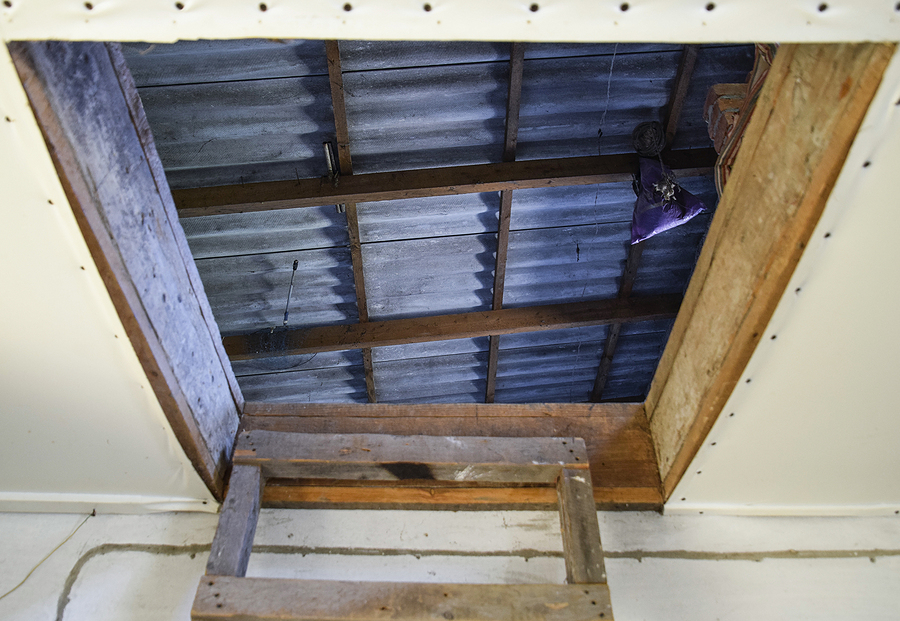
The most reliable indicators are guano (droppings), staining, and sound. You might not see the bats themselves, as they are experts at hiding in crevices. Instead, look for piles of droppings on attic insulation or the floor. On the exterior of your home, check for dark, oily stains around vents, eaves, or loose siding. These “rub marks” are caused by the oils on the bats’ fur as they squeeze into tight entry points. Additionally, you may hear high-pitched squeaking or scratching noises, particularly when the house is quiet.
How can I distinguish bat droppings from other pests?
Bat guano is shiny, segmented, and crumbles easily. Unlike mouse droppings, which are hard and fibrous, bat droppings are composed almost entirely of insect parts. If you see droppings that look like dark, elongated seeds, do not touch them. However, a visual inspection usually reveals that bat guano has a speckled, shiny appearance due to insect wings. When crushed (which you should never do without respiratory protection), it turns into a fine, dusty powder.
When are bats most active in attics?
Bats are most active at dawn and dusk. As nocturnal creatures, bats leave their roosts at dusk to feed on insects and return at dawn to sleep. This is when you are most likely to hear them moving around or see them flying in and out of your roofline. If you suspect an infestation, try performing a “bat watch” outside your home around sunset to observe any activity near your eaves or chimney.
What Are the Risks of Having Bats in Your Attic?
What diseases can bats carry?
Bats are known carriers of histoplasmosis, rabies, and other viral infections. Histoplasmosis is a respiratory disease caused by a fungus found in bat droppings. When guano dries and is disturbed, the spores become airborne and can be inhaled, potentially causing severe lung infections. Furthermore, while less than 1% of bats carry rabies, the consequences of exposure are fatal without immediate treatment. A bite can be so small it goes unnoticed, making any physical contact with a bat dangerous.
How can bat droppings affect my home?
Accumulated droppings can cause structural damage and foul odors. Large piles of guano can become incredibly heavy, compressing insulation and rendering it ineffective. In severe cases, the weight can even cause drywall to collapse. Beyond the physical weight, the accumulation of urine and feces creates a potent, ammonia-like odor that can permeate your living spaces and is difficult to remove without professional sanitation.
Are bats protected by law?
Yes, many bat species are protected, requiring humane removal methods. In Indiana, for example, it is illegal to kill or trap bats. Furthermore, there are specific “blackout dates”—typically during maternity season from June through mid-August—when you cannot evict bats because flightless pups may be trapped inside. Violating these regulations can result in significant fines. This protection status means that lethal control is off the table; humane exclusion is the standard.
How to Safely Remove Bats from Your Attic
Can I remove bats myself?
Professional removal is strongly recommended due to safety and legal concerns. Attempting DIY removal puts you at risk of rabies exposure and histoplasmosis. Additionally, without specialized knowledge of bat biology and local laws, you might accidentally trap bats inside your walls (leading to death and odor issues) or perform an exclusion during a prohibited season. Professionals have the necessary vaccinations, protective gear, and legal permits to handle the situation correctly.
What methods do professionals use for bat removal?
Experts use exclusion devices, habitat modification, and cleanup. The most effective method is “exclusion.” This involves installing one-way doors or valves over the bats’ entry points. These devices allow the bats to fly out to feed at night but prevent them from re-entering. Once the entire colony has vacated, the professional will remove the devices and permanently seal the holes. After removal, a thorough cleanup of guano and sanitization of the area is essential.
How long does bat removal take?
The process typically takes a few days to a week, depending on the infestation size. The exclusion devices usually need to remain in place for several days to ensure every bat has left the roost. Weather can also play a role; bats may not fly out during heavy rain or extreme cold. Once the colony is gone, the sealing and cleanup process can begin.
✨ Contact us today for a free bat removal inspection and estimate in Indianapolis!
Preventing Future Bat Infestations
How can I seal entry points?
Seal gaps, cracks, and openings in your home’s exterior. Bats can squeeze through openings as small as a quarter of an inch—roughly the size of a dime. Inspect your roofline, chimney, vents, and siding for any potential gaps. Use high-quality sealant, steel wool, or heavy-duty hardware cloth to block these entryways. Pay special attention to areas where different building materials meet, such as where a brick chimney meets wood siding.
What deterrents can I use to keep bats away?
Bright lights and noisemakers are common deterrents, though their effectiveness varies. Bats prefer dark, quiet environments for roosting. Installing bright floodlights in the attic or using ultrasonic devices may make the space less appealing. However, these are temporary measures and rarely solve an established infestation on their own. Physical exclusion (sealing holes) remains the only permanent solution.
How often should I inspect my attic?
Inspect your attic at least twice a year for signs of bats. A good rule of thumb is to check your attic in the spring (before maternity season) and late autumn (before hibernation). Look for new daylight shining through cracks, check for fresh droppings, and ensure your insulation remains undisturbed. Regular inspections allow you to catch problems early before a large colony establishes itself.
FAQ
Is it safe to live in a house with bats?
Living with bats poses significant health and safety risks. Between the potential for rabies exposure and the respiratory risks associated with guano spores, it is unsafe to share your home with a bat colony.
How much does bat removal cost?
Costs vary depending on the infestation size and removal methods. A simple exclusion for a small entry point will cost less than removing a massive colony that requires extensive guano cleanup and insulation replacement.
What should I do if I find a bat in my living room?
Do not try to catch it with your bare hands. Close interior doors to confine it to one room, open windows to the outside, and turn off the lights. If it doesn’t leave, or if there’s a chance someone was bitten while sleeping, contact a professional immediately.
Quick Recap
- Signs: Look for shiny, crumbling droppings, oily stains, and scratching noises.
- Risks: Rabies, histoplasmosis, and structural damage are major concerns.
- Laws: Bats are protected; lethal removal is illegal. Use humane exclusion.
- Timing: Do not attempt removal during maternity season (summer).
- Prevention: Seal all cracks larger than 1/4 inch to keep them out.
Taking Action for a Bat-Free Home
Bats are fascinating creatures that play a vital role in our environment, but your attic is not the place for them. The health risks associated with guano and the potential for legal trouble make this a problem you cannot ignore. By understanding the signs of infestation and the importance of humane exclusion, you can protect your home and your health.
If you suspect you have unwelcome guests in your attic, don’t wait for the problem to worsen. Click here to schedule a free bat removal inspection and estimate in Indianapolis and let the experts handle it safely.
Related Post: How to Safely Clean Up After a Bat Infestation in Your Attic