Hearing strange scratching sounds coming from your attic at dusk? Noticing small, dark droppings along your roofline? If so, you may have a bat infestation on your hands. While bats are fascinating creatures that play a vital role in local ecosystems—a single bat can consume thousands of insects in one night—having them roosting in your home is a serious problem that requires immediate, professional attention.
Bat removal is not a simple fix. It involves navigating strict legal protections, managing real health risks, and using methods that are both effective and humane. Many homeowners attempt to handle it themselves, only to make the situation worse. This guide walks you through exactly why professional bat removal is the right call, and what the process actually looks like from start to finish.
The Hidden Dangers of DIY Bat Removal
The Legal Ramifications of Improper Bat Removal
Bats are protected animals. In Indiana, species such as the Indiana bat and the Northern long-eared bat are federally protected under the Endangered Species Act. Beyond these endangered species, all bats in the state fall under Indiana Department of Natural Resources guidelines that strictly regulate how and when they can be removed.
The most critical restriction? The maternity season blackout period, which runs approximately from May 15 through August 15. During this window, female bats have given birth and are raising pups that cannot yet fly. Attempting to seal entry points or conduct exclusion work during this period can trap helpless pups inside your walls—an outcome that is both inhumane and illegal.
Attempting DIY removal without understanding these rules puts you at serious legal risk. Violations can result in significant fines. Indiana law also mandates that bat exclusion be carried out by licensed professionals, meaning unlicensed removal is not just risky—it’s against the law.
Health Risks Associated with Bat Infestations
Beyond the legal landscape, bat infestations pose genuine health threats to you and your family.
Histoplasmosis is perhaps the most common concern. This respiratory disease is caused by a fungus that thrives in bat guano. When droppings dry out and become airborne—which happens easily when disturbed—spores can be inhaled, causing serious lung infections. Attempting to clean up guano without proper protective equipment dramatically increases exposure risk.
Rabies is another concern. While transmission is rare, bats are known carriers, and any direct contact—or even indirect exposure through a bite you didn’t notice during sleep—can be dangerous. A qualified bat control company maintains rabies vaccinations and follows OSHA protocols for exactly this reason.
Additionally, guano buildup causes structural damage over time, deteriorating wood, insulation, and drywall. Left unaddressed, the repair costs compound quickly.
General Bat Removal Process: A Step-by-Step Guide
Comprehensive Inspection: Locating Entry Points and Roosts
Every professional bat removal job begins with a thorough inspection. A licensed technician examines your home from roofline to foundation, identifying active and potential entry points. Bats can squeeze through gaps as small as half an inch, so this step requires a trained eye.
Common entry points include:
- Gaps around soffits and fascia boards
- Loose or damaged roof shingles
- Open vents and chimney openings
- Cracks around window frames and utility lines
The inspection also determines the size of the colony and confirms whether the infestation falls within a legal removal window. If it’s maternity season, a reputable professional won’t attempt exclusion—but they will prepare a detailed removal plan for the appropriate time.
Humane Exclusion: Getting Bats Out Safely
Once the timing is right, licensed professionals use a method called one-way exclusion—the only legal and humane bat removal technique approved for use in Indiana.
Here’s how it works: Specialized one-way devices, such as exclusion tubes or nets, are installed over the primary entry points bats are actively using. These devices allow bats to exit at dusk to feed but prevent them from returning. No traps. No poisons. No harm to the animals.
The process typically unfolds over several nights as the entire colony naturally vacates the structure. Professionals monitor the site to confirm all bats have exited before moving to the next phase.
Bat-Proofing Your Home: Preventing Re-Entry
With the colony gone, every potential entry point is permanently sealed. This includes:
- Caulking gaps and cracks along the roofline
- Installing mesh or screens over vents and chimneys
- Repairing damaged soffits, shingles, and flashing
- Sealing any opening larger than half an inch
This phase is what separates professional bat removal from a temporary fix. Without thorough bat-proofing, a new colony will simply move back in the following season.
Guano Cleanup and Remediation: Restoring a Healthy Environment
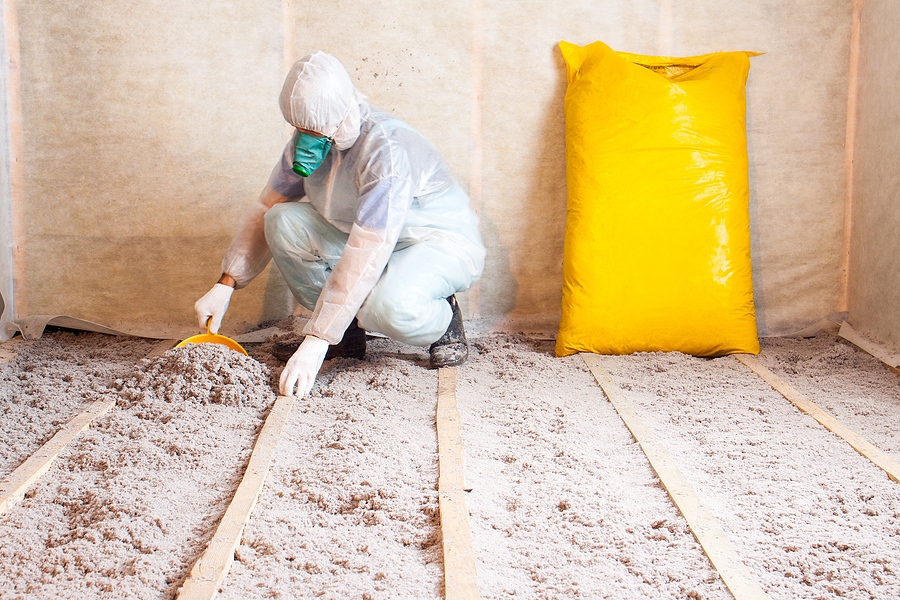
Guano cleanup is the final—and often most overlooked—step in the bat removal process. Accumulated droppings must be removed using full protective gear and respiratory protection to prevent histoplasmosis exposure. Contaminated insulation is bagged and disposed of safely, and affected surfaces are treated with antimicrobial agents.
Done correctly, professional bat damage cleanup and remediation eliminates odors, removes health hazards, and restores your attic to a clean, safe condition.
Why Professional Bat Removal is Worth the Investment
Expertise and Experience: The Difference Makers
Licensed bat removal professionals understand Indiana’s seasonal bat activity, building construction patterns, and DNR regulations. They carry the certifications, safety equipment, and practical experience needed to handle infestations efficiently and legally. That combination is very difficult to replicate with a YouTube tutorial and a hardware store run.
Long-Term Solutions: Peace of Mind for Homeowners
DIY attempts often address the symptom but miss the source. A professional doesn’t just remove the bats you can see—they identify every potential re-entry point and seal them permanently. That means you’re not dealing with the same problem again next spring.
Protecting Your Family and Your Home
At the end of the day, professional bat removal and control is about more than just the bats. It’s about protecting your family from health hazards, your home from structural damage, and yourself from costly legal violations. The investment in professional service pays for itself many times over when compared to the alternative.
Frequently Asked Questions
How do I know if I have bats in my attic?
The most common signs include scratching or squeaking sounds near dusk or dawn, small dark droppings (guano) accumulating in the attic or along exterior walls, a strong ammonia-like odor, and dark greasy stains around small gaps or cracks near your roofline. Spotting bats flying in and out of your home at sunset is a near-certain confirmation.
Is it illegal to kill bats?
Yes. In Indiana, killing bats is illegal under both state and federal law. Several species, including the Indiana bat and the Northern long-eared bat, are federally protected under the Endangered Species Act. Even for non-endangered species, lethal removal methods are prohibited. The only legal method is humane exclusion conducted by a licensed professional.
How long does bat removal take?
The timeline depends on the size of the colony, the complexity of the structure, and the time of year. In general, the exclusion phase takes several days to allow the colony to fully vacate. Sealing and remediation add additional time. A full professional bat removal project, from inspection to completed cleanup, typically takes one to two weeks.
Don’t Let Bats Take Over Your Home
A bat infestation doesn’t resolve itself. The longer it goes unaddressed, the more guano accumulates, the more structural damage builds up, and the harder removal becomes. Acting early—and acting with the right help—makes all the difference.
For professional bat removal service in Indianapolis, Indiana, request a free quote today. Our licensed technicians handle everything from inspection and humane exclusion to bat-proofing and guano remediation, giving you lasting protection and real peace of mind.
Related Posts:
The Best Time of Year for Bat Removal in Indiana
Navigating Indiana’s Wildlife Laws: Your Attic Bat Removal Plan
How to Safely Get Rid of Bats in Your Home